Modeling at night
Why Model?
While many of us like to stay behind the camera, what good is a photographer if they don't know what is going through the model's mind? It allows you to have some fun without worrying about disappointing the person you're photographing. While modeling, you can get creative. Try different poses! Test out unusual light settings! Have all the time in the world! Most importantly, this will build upon your current skills. Modeling can be fun, and every photographer should give it a try!
Your Equipment
Nighttime photos bring a new challenge to photography, and you will need the equipment to match that. Your camera takes light and interprets it to create images. Due to this, you will want to bring certain equipment that you might otherwise not have.
- Camera with a large sensor
- Tripod
- Wide aperture lens
- Source of light
Large sensor? Wide aperture? Why?
There is less light at night. This can make it harder to take photos. Perhaps you will find more blur in some photos, or more grain. When a camera has a large sensor, it allows for more light to be taken in by the camera. The same concept comes with a wide aperture. These pieces of equipment allow for more light to be used overall.
Your Location
Working at night, your location can make a huge difference in your photos. You will want to be somewhere that either has light or where you can set up a source of light. Generally, the city has areas of light, but you can find light in the countryside also! If you have your own light source, you can also go to areas that are completely dark. Just have to angle the light correctly, and perhaps even get in a star-speckled sky. Just look around, and you will find a location with light
Some examples of well-lit areas include
- Areas with signs
- Lighted paths
- Along roads
- Next to buildings
Examples where you need your own light, but can create beautiful backdrops
- Open fields
- Beach
- Mountain ridges
Getting the shot
Once you are at your location, do the following.
- Find the specific spot you want to shoot at. Preferably somewhere that will cast light on you.
- Put your camera on a tripod
- Set the aperture to wide open, ISO to a low setting, and shutter speed as needed. The longer the shutter speed, the more light your camera will use.
- Set the camera in focus
- Set the timer on your camera
- Get in position
- And take the photo!
You did it! You got a photo at night! Keep taking photos of yourself, and challenge yourself to come up with different poses and light settings!
So remember...
- Bring the right equipment
- Go the the right location
- And go take that photo!
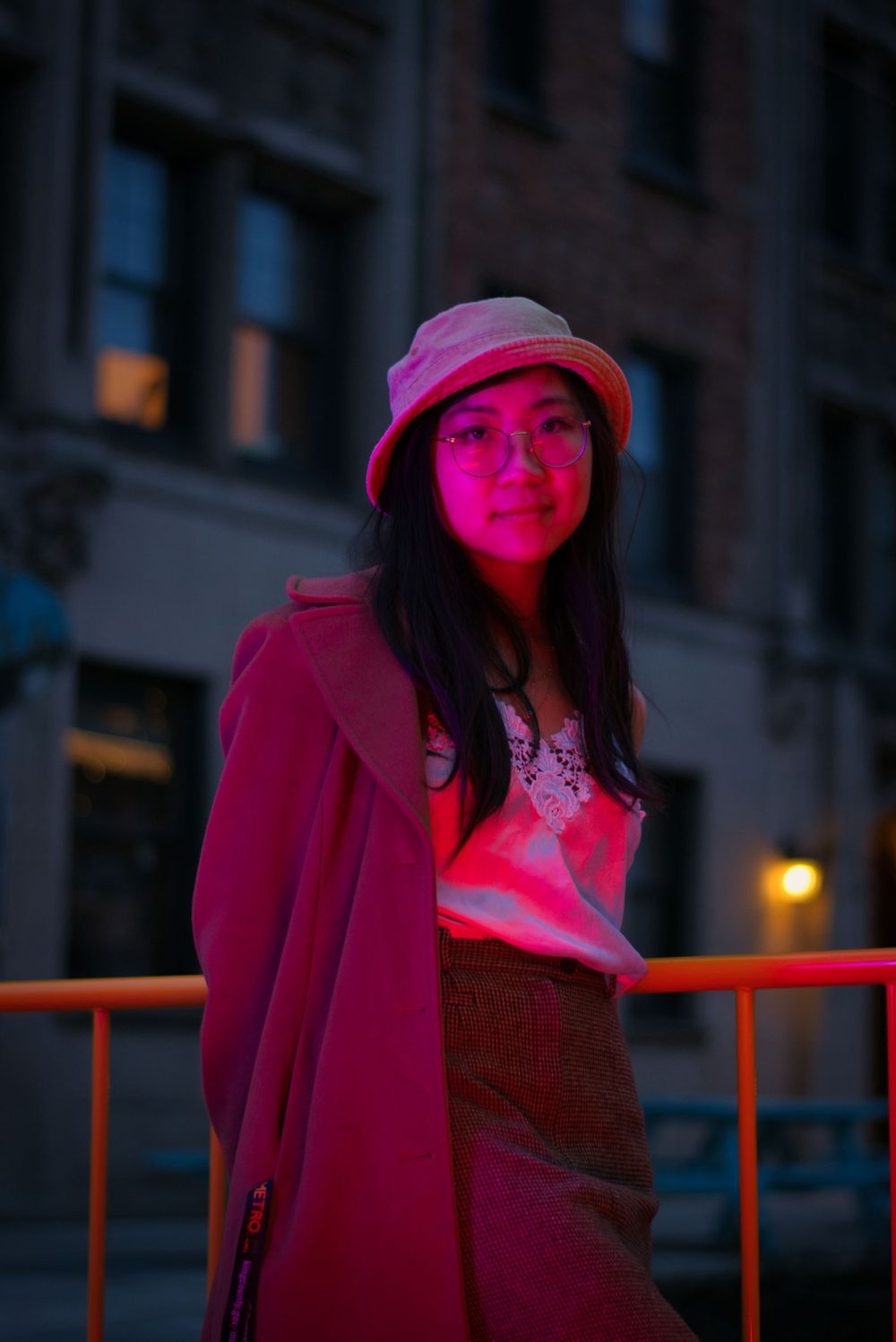
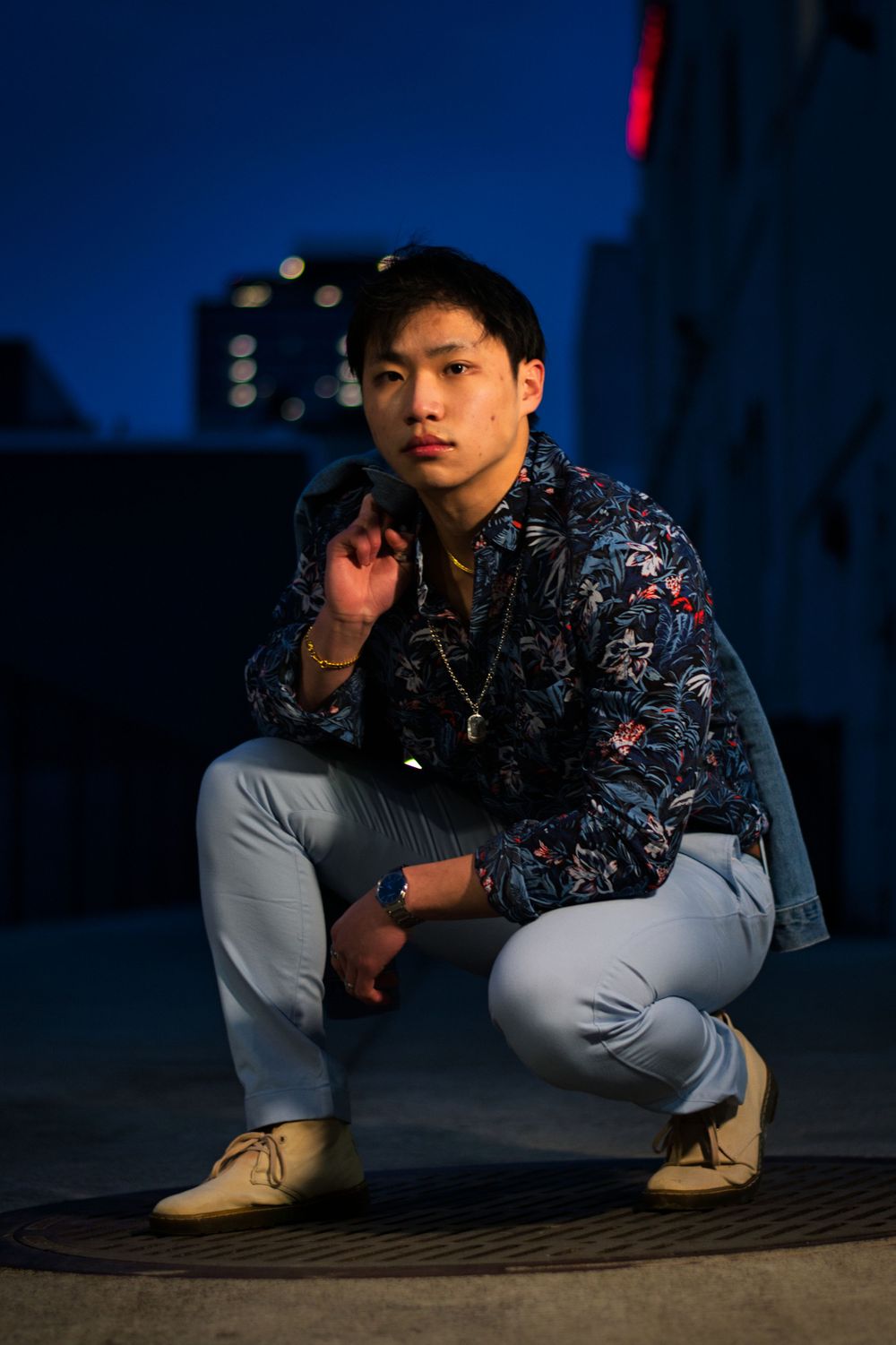
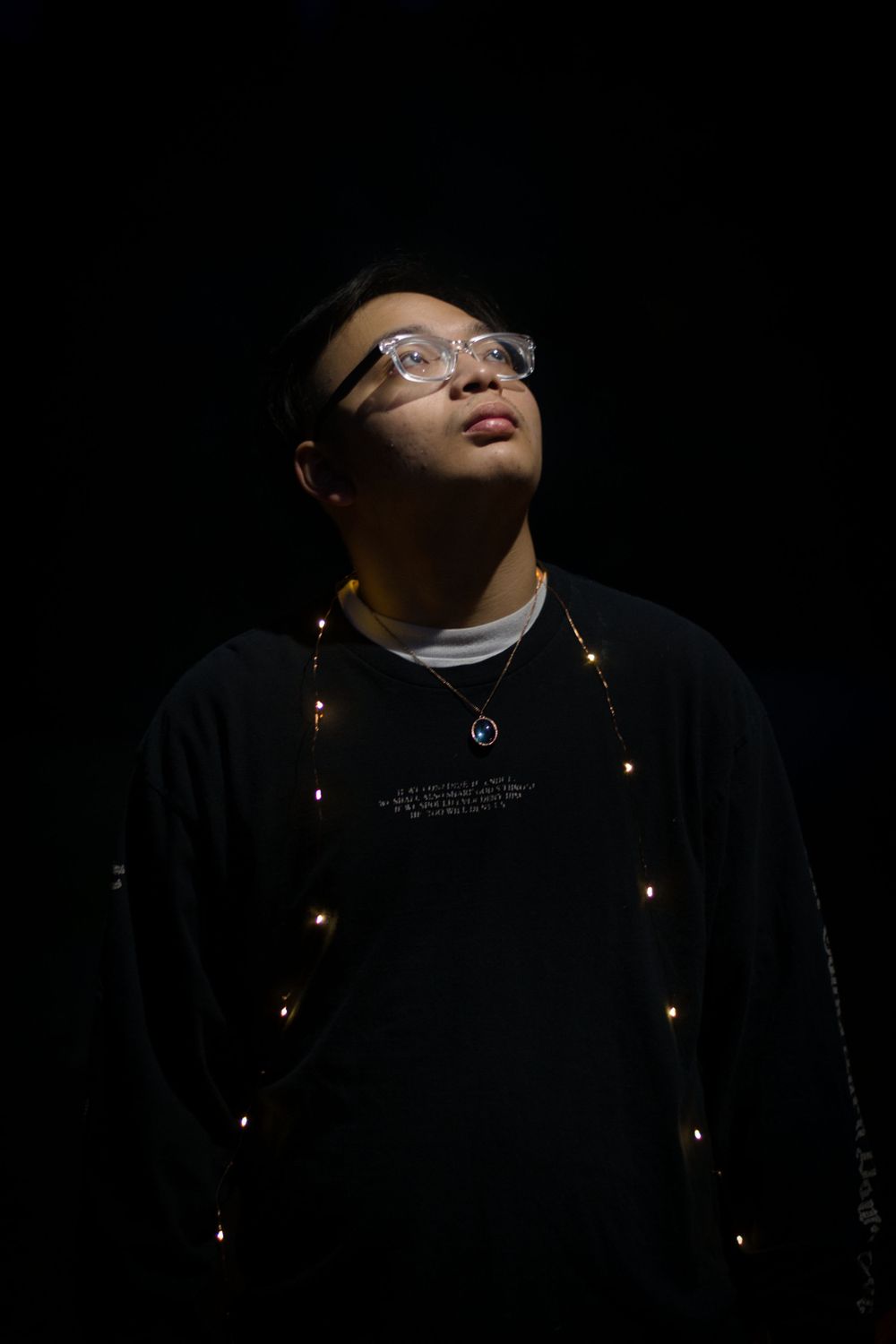
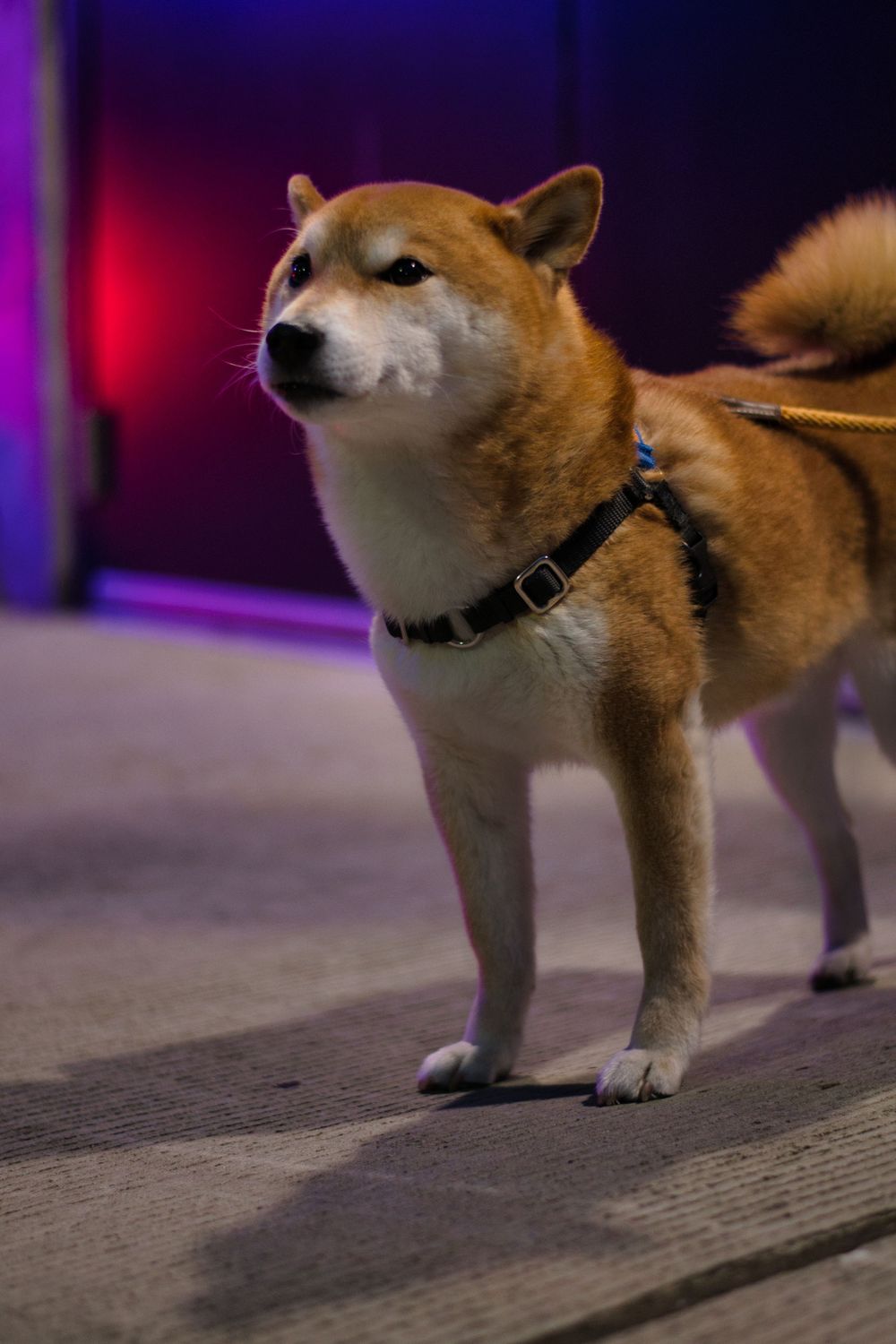
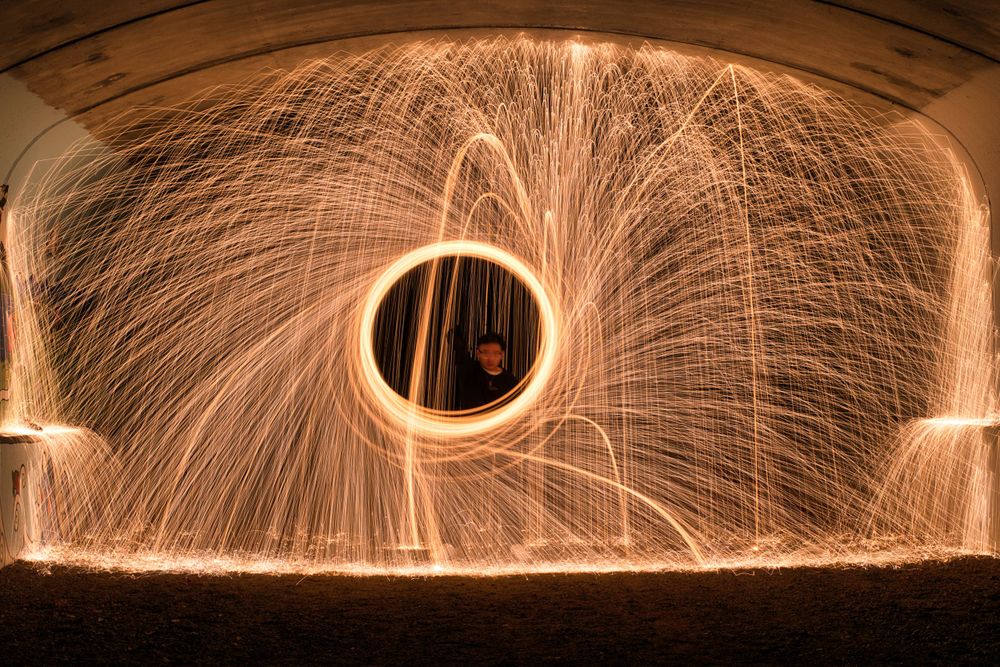
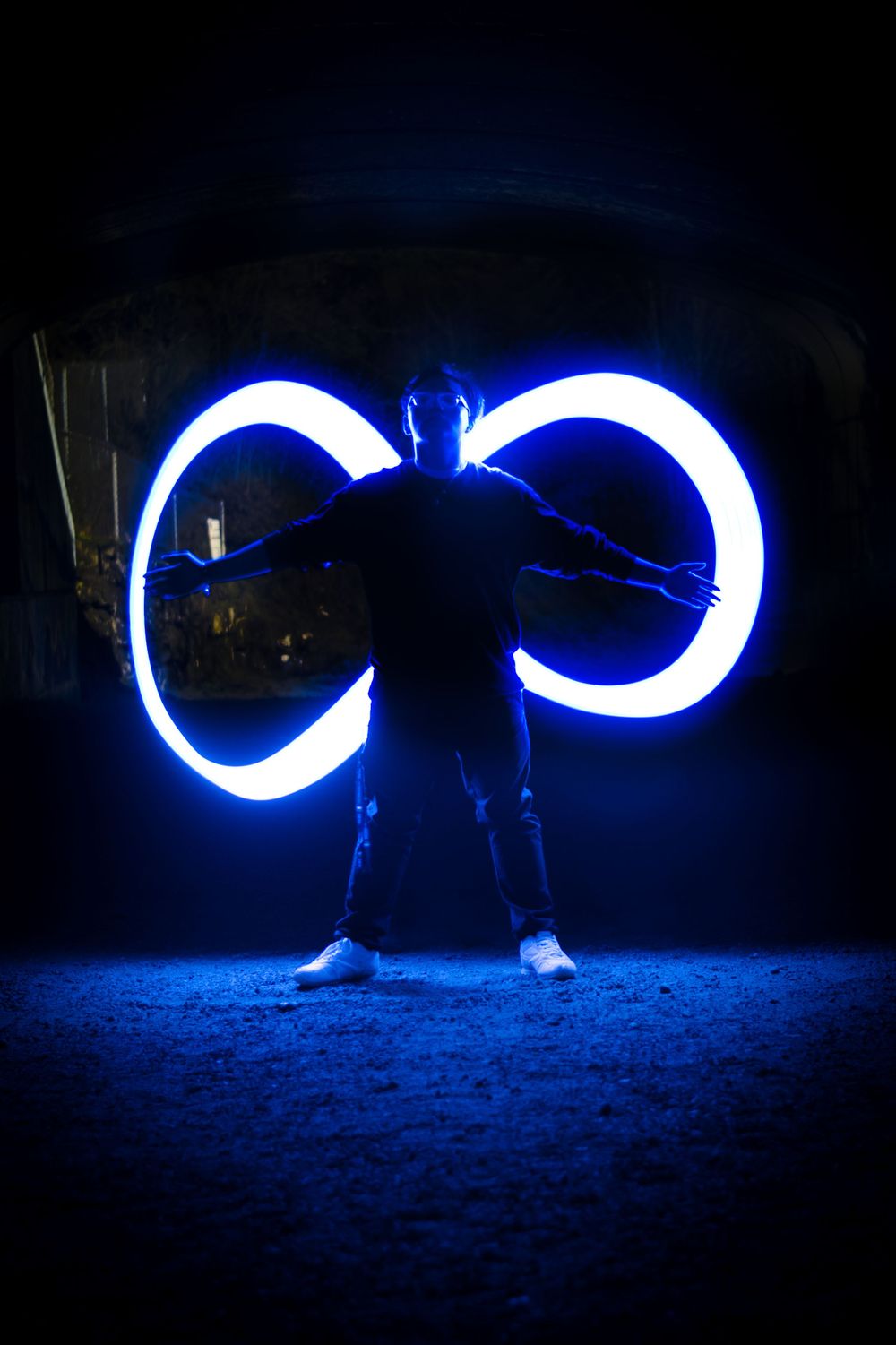
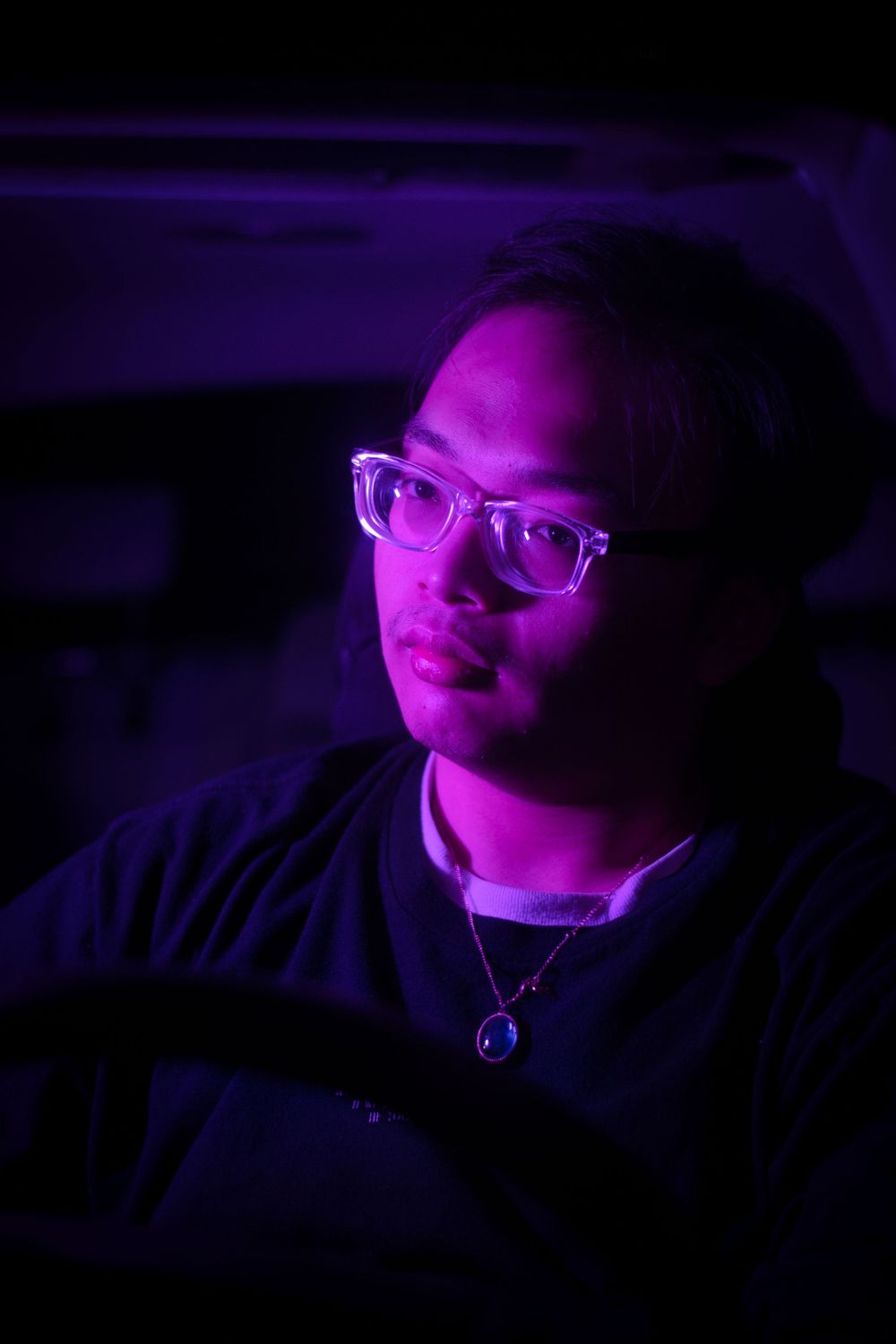
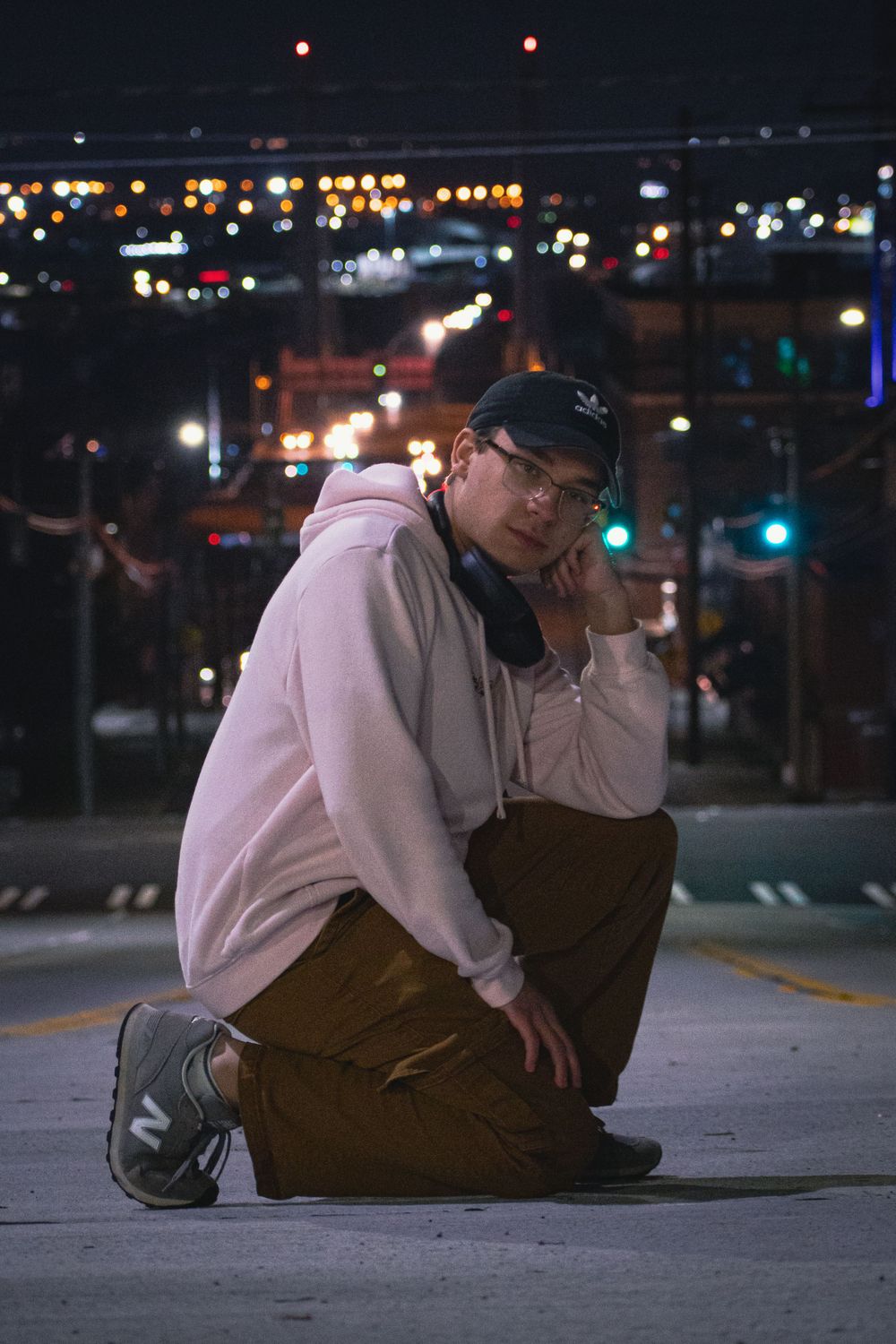
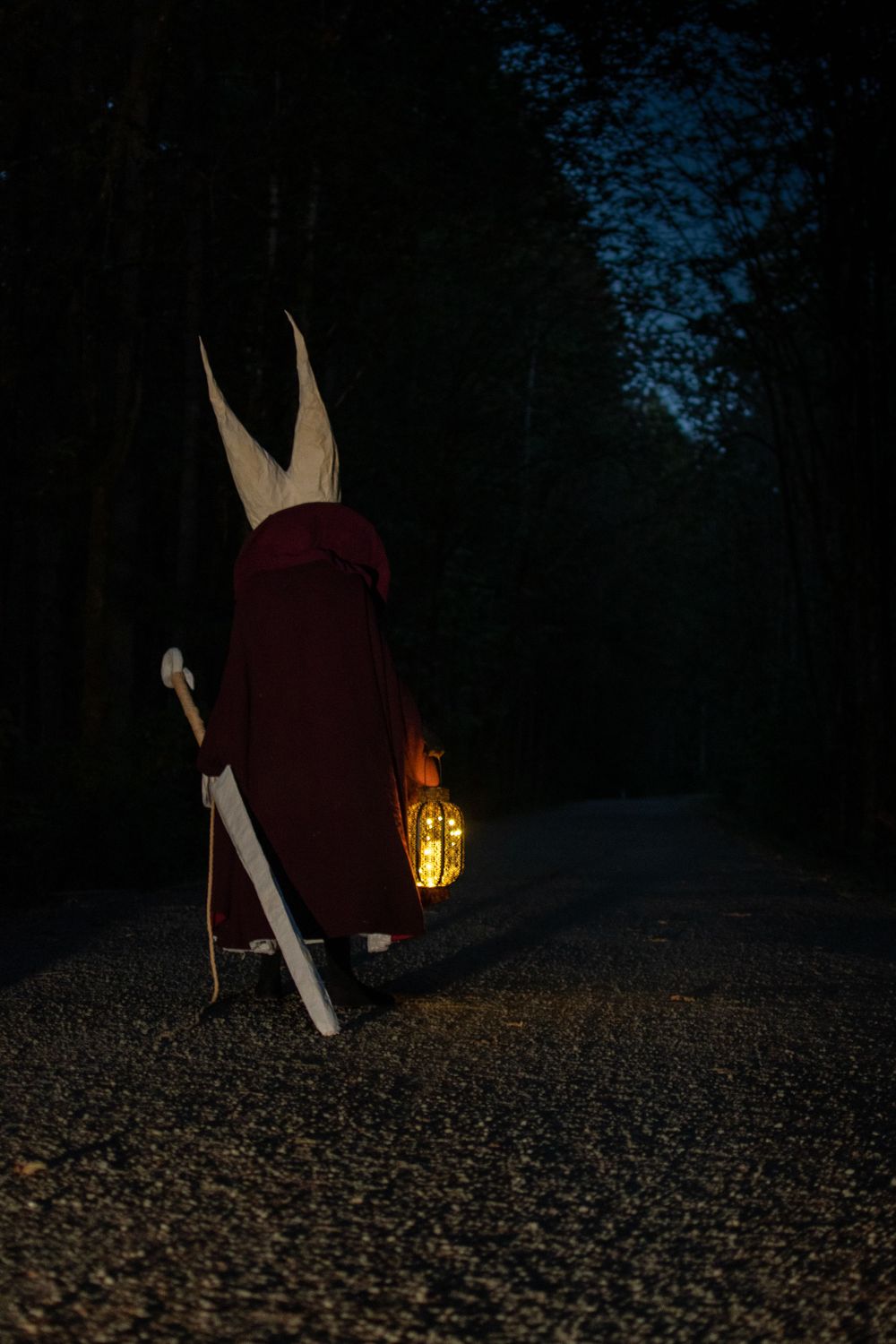
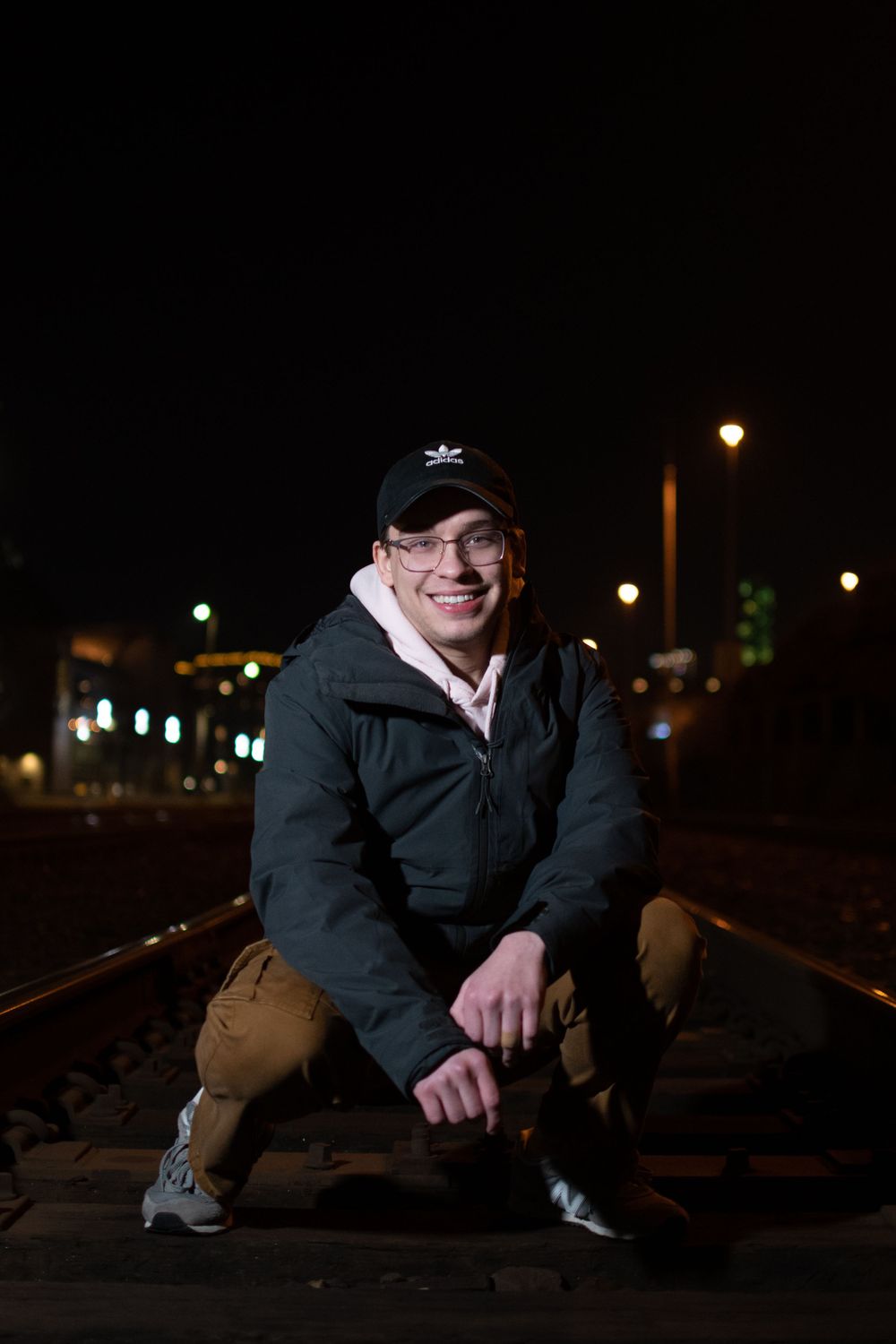
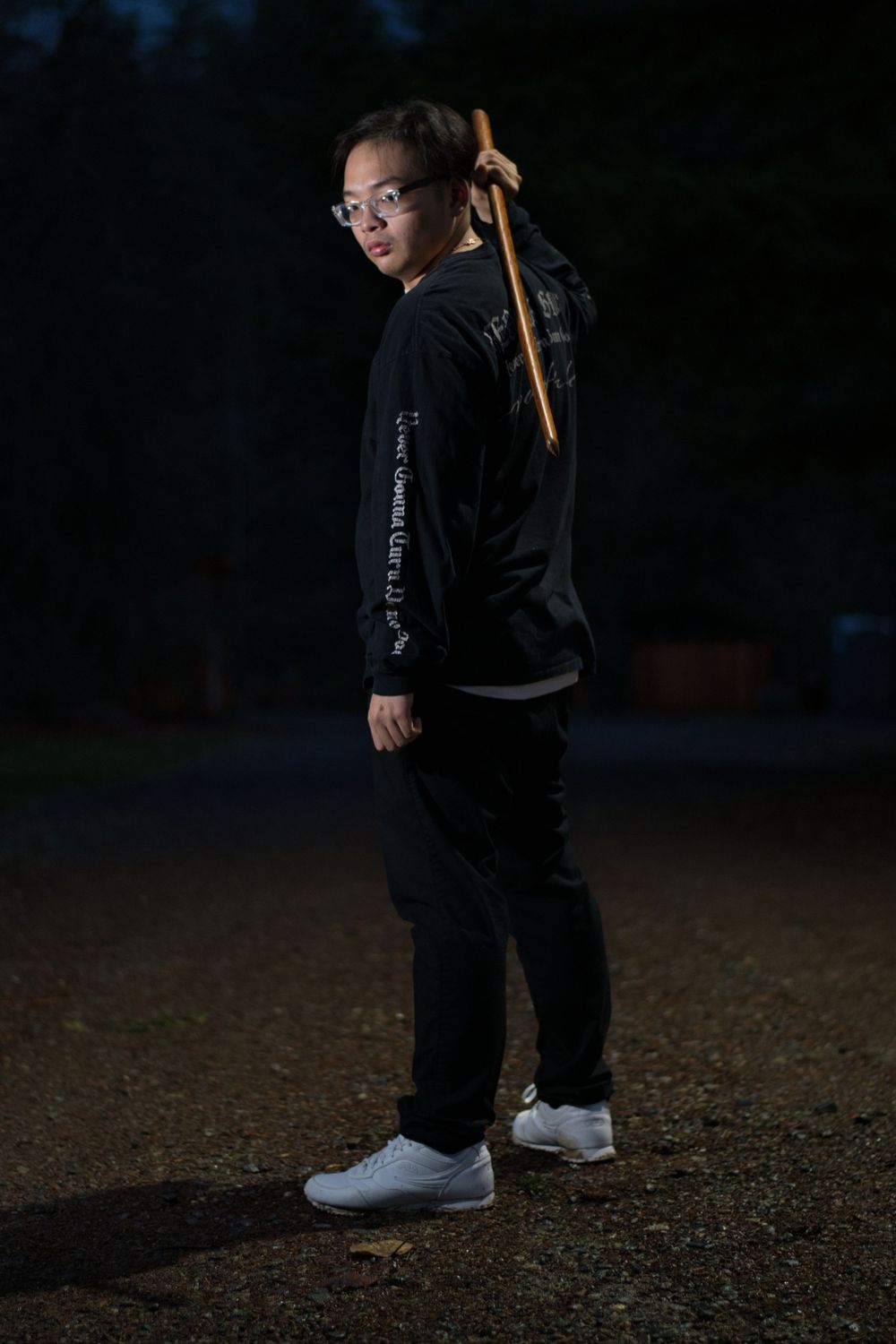
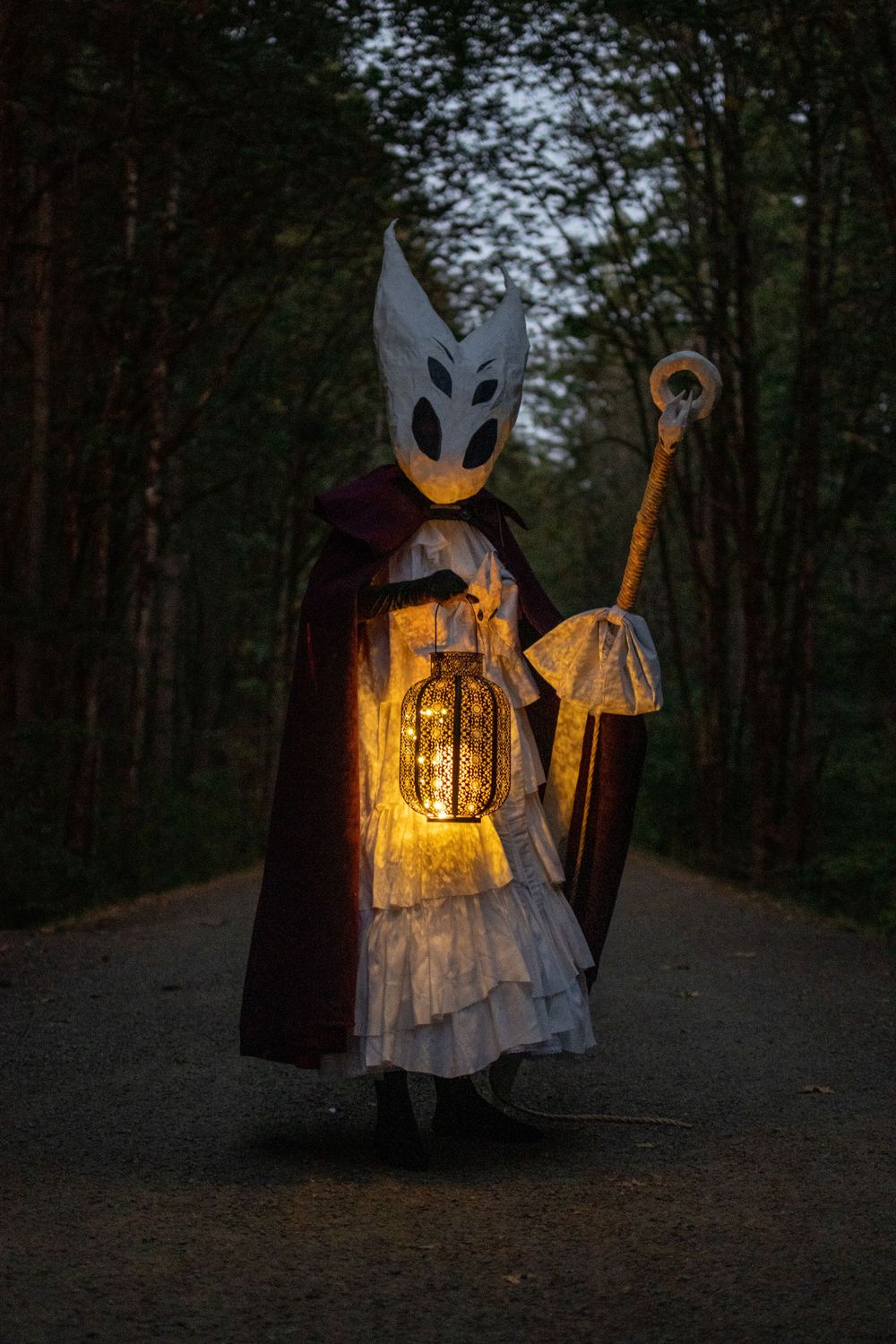
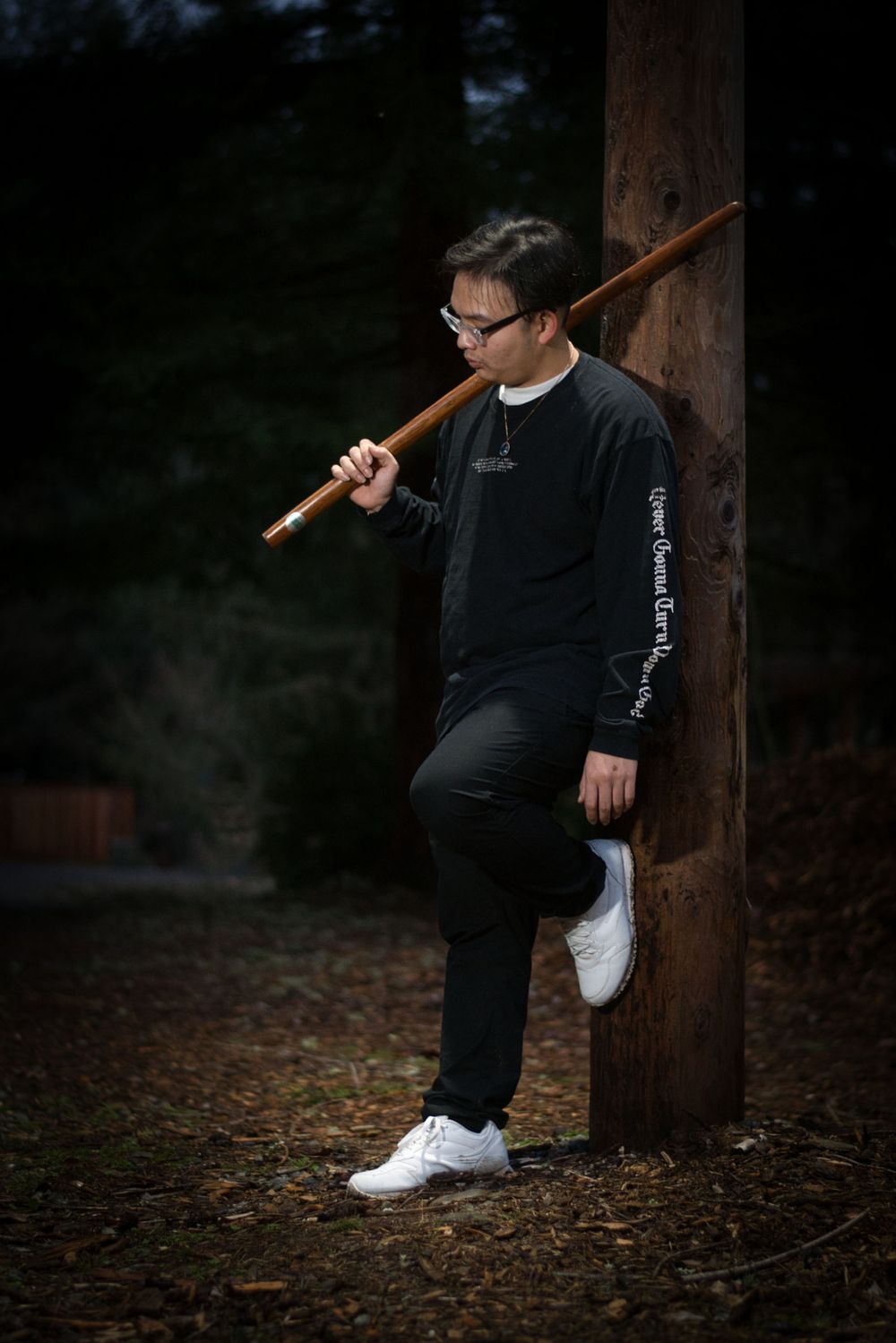
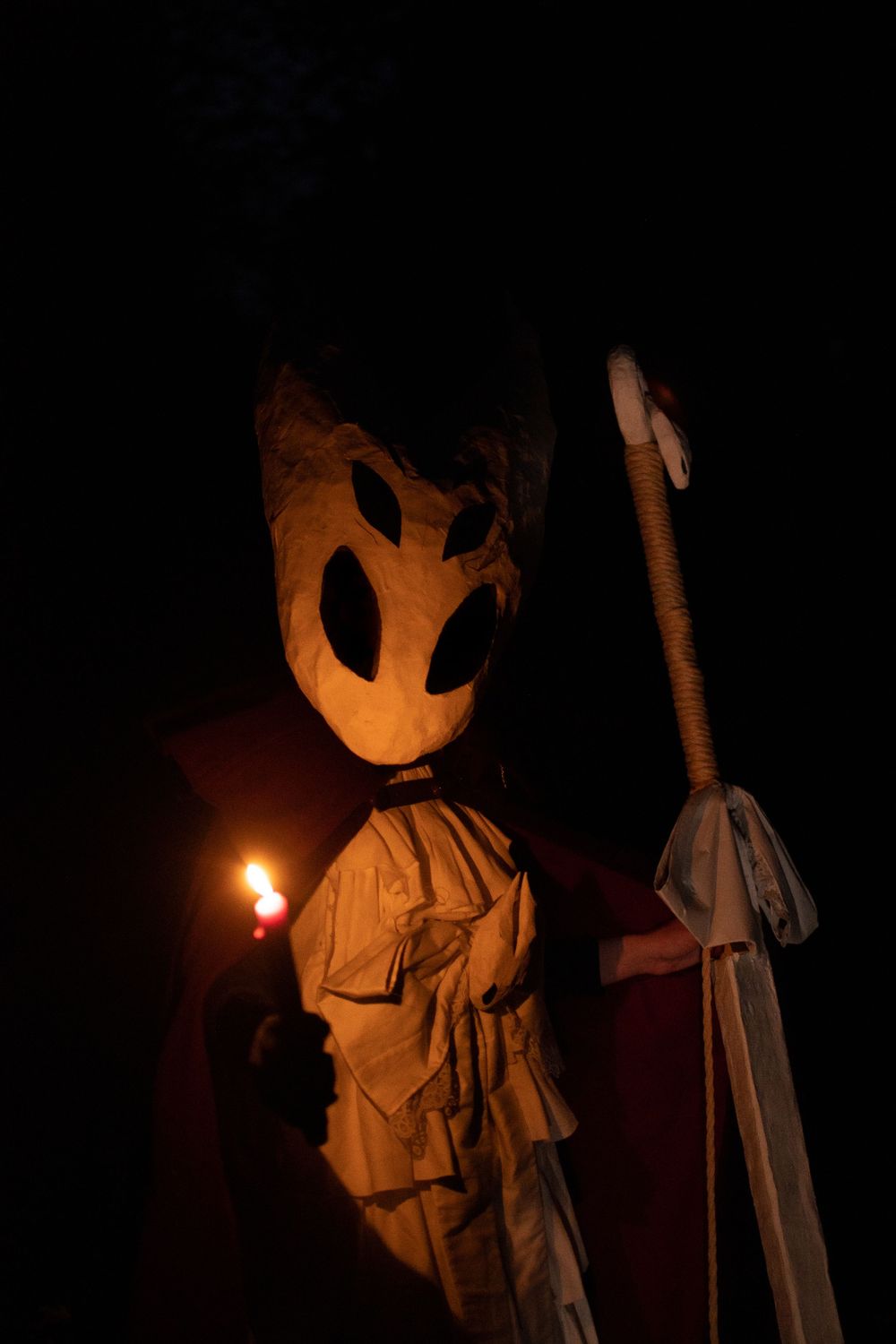
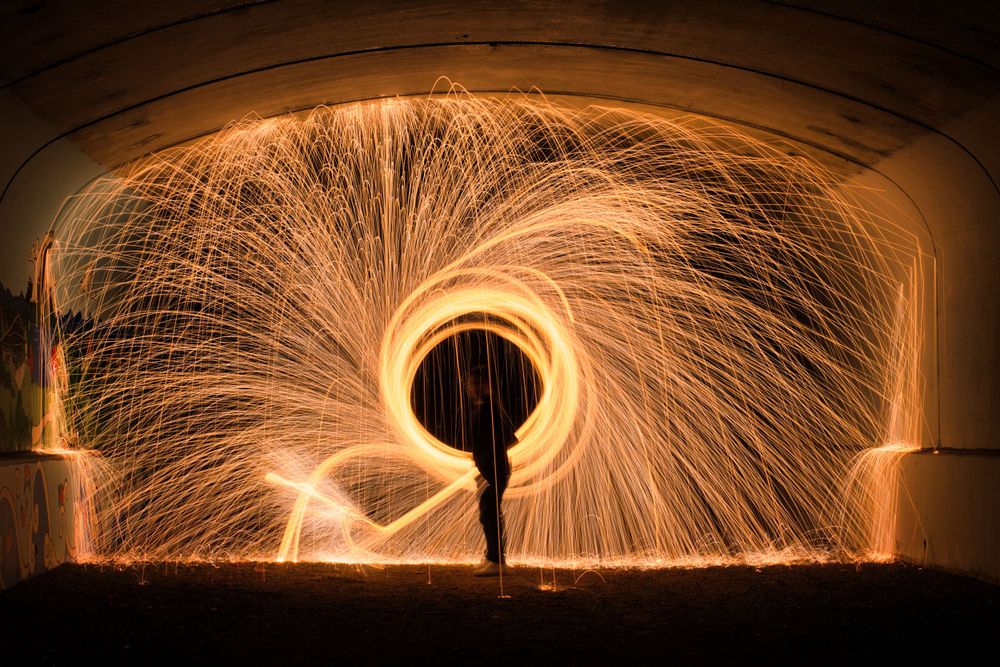
Below are some examples of photographs I have taken at night
I
V